
Long waits, broken flow.
Too many moments where ideas were ready — but the computer wasn’t.
The first decision was obvious: storage and memory.
Fast NVMe. More RAM. Remove the biggest bottlenecks first.
That was the plan.
Originally, the idea was to stick with the existing CPU for as long as possible. Modern tools are demanding, yes — but maybe fast storage and more memory would be enough for now. No rush. No panic upgrades. Especially with prices nowadays, and with a big part of the budget already going into a GPU with 16 GB of VRAM. RAM prices were climbing, GPUs too — and I managed to grab a 16 GB card at a good price. (More on that when it arrives.)
Then we looked closer.
Unity isn’t just about loading assets.
It’s about compiling scripts, refreshing the editor, entering Play Mode — all while other tools stay open. That’s CPU work. And lots of it.
Krita. Recording. Background exports. Build processes.
They all stack on top of each other.
Fast storage helps.
But the processor still sets the pace.
That’s when this appeared — used, and for a price so good I couldn’t believe my luck.
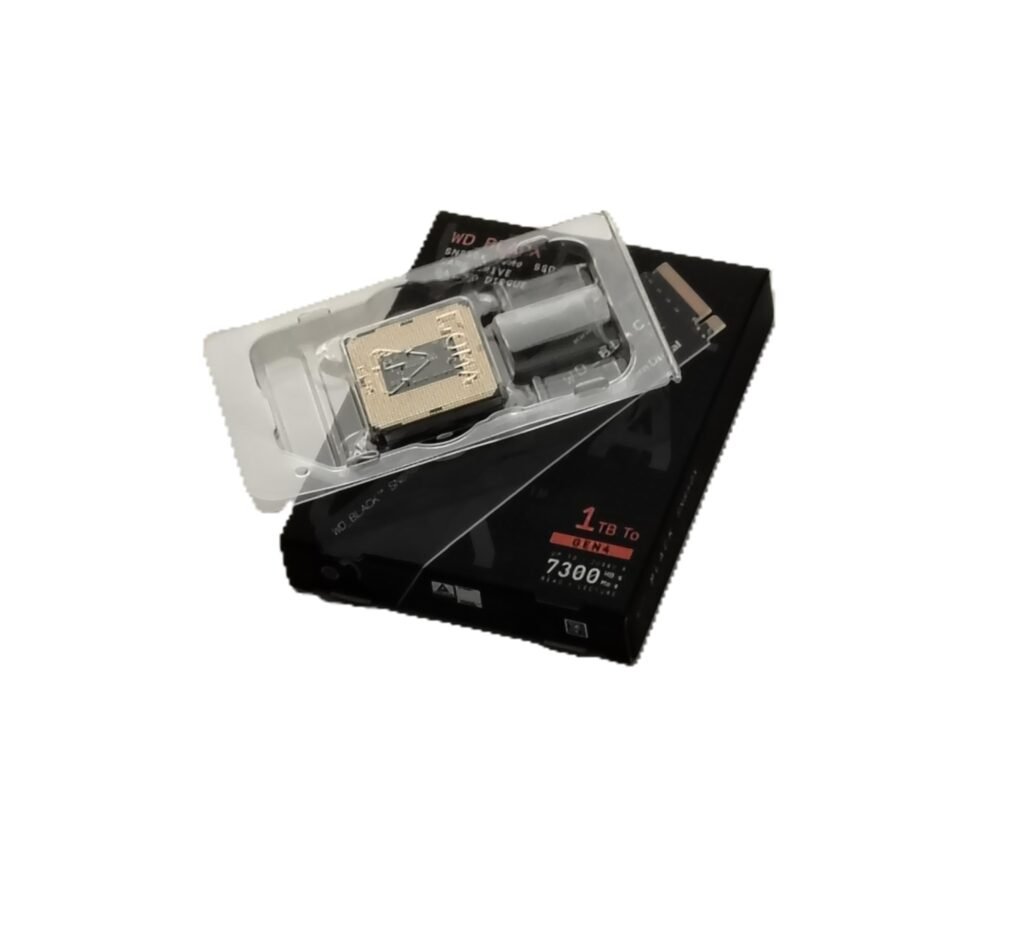
A used Intel Core i7-8700K.
Six cores.
Twelve threads.
And this is where things really click for our kind of work.
Those twelve threads mean the computer can juggle tasks instead of forcing them to wait in line. Unity can compile scripts while OBS records in the background. Twitch can encode a stream while Krita stays responsive. A build can run without completely freezing the editor. Each tool gets its own fast lane of the highway instead of fighting for a single lane.
Unity still loves strong single-core performance — and the 8700K delivers that in spades — but the extra threads are what keep everything else from stuttering when things get busy.
The result isn’t just higher performance numbers.
It’s fewer hiccups.
Fewer freezes.
Fewer moments where everything stops because one task got heavy.
Paired with fast NVMe storage and plenty of RAM, the 8700K unlocks the kind of responsiveness that keeps creative momentum alive: quicker script compiles, smoother multitasking, and an editor that keeps moving even when the workload stacks up.
Most importantly, it lets Luumikit keep moving now — without locking into a full platform jump yet.
I believe this upgrade will keep us making games fluently for a good while, well past any RAM shortages or price swings.
The NVMe removes waiting on disk.
The CPU removes hesitation in thinking speed.
Piece by piece, the desktop is being shaped around one goal:
Protect the creative flow.
Reduce friction.
Ship more playful things.
The parts are arriving.
The plan is solid.
Luumikit keeps building.